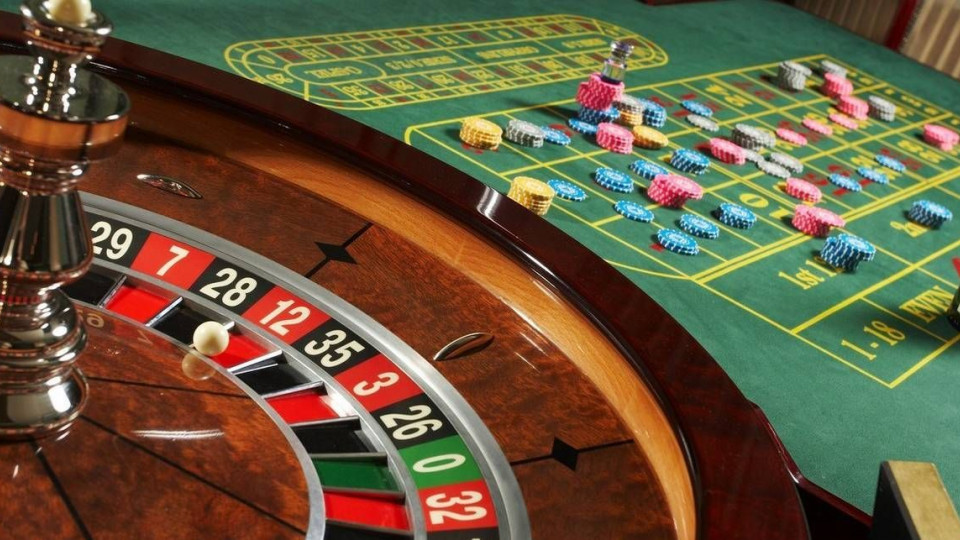
Exploring the ancient roots of gambling through the ages
The Origins of Gambling
The practice of gambling dates back thousands of years, with its origins rooted in ancient civilizations. Archaeological findings suggest that the earliest forms of gambling occurred in Mesopotamia, where dice were made from bones and used for entertainment. These primitive games often took place in social settings, highlighting the communal aspect of gambling that transcended mere chance. Today, exploring the best online casinos can offer insights into how these ancient traditions have evolved into thriving industries.

In ancient China, around 2300 B.C., gambling was integrated into cultural practices, with games resembling modern-day lottery systems emerging during the Han Dynasty. This early form of gambling laid the groundwork for organized betting, demonstrating how deeply entrenched gambling was in societal frameworks as a means of recreation and economic exchange.
The Role of Gambling in Ancient Cultures
Gambling served various purposes in ancient cultures beyond mere entertainment; it was often intertwined with religious and social rituals. In ancient Rome, games of chance were commonly played, and they were often associated with festivals and public celebrations. These events not only fostered community spirit but also reflected the societal values of the time.
Similarly, in ancient Egypt, gambling was seen as a test of fate. The Egyptians used games and dice in daily life, with evidence suggesting that gambling was a popular pastime among pharaohs and their subjects alike. This integration of gambling into daily activities illustrates its significance in shaping social interactions and cultural norms.
The Evolution of Gambling Practices
As civilizations progressed, so did the complexity of gambling. The Middle Ages saw the emergence of betting houses and the development of more structured games, such as card games. These innovations introduced strategies and skills to the gambling landscape, leading to a shift from purely luck-based games to those that required a degree of skill and strategy.
The Renaissance period further transformed gambling, with the introduction of new games and variations. The creation of casinos in Italy marked a significant milestone in the history of gambling, providing designated spaces for players to engage in various games. This evolution reflects how gambling adapted to the changing social fabric and economic conditions of the time.
Legal Frameworks and Gambling Regulations
The relationship between gambling and legal frameworks has been tumultuous throughout history. Initially, many ancient societies viewed gambling as a vice that required regulation. In the Roman Empire, laws were enacted to restrict certain forms of gambling, reflecting concerns about morality and public order. This legal scrutiny laid the foundation for future regulations, shaping the legal landscape we see today.
In modern times, the legal landscape surrounding gambling has become increasingly complex, with various jurisdictions implementing distinct regulations. The rise of online gambling has further complicated this picture, prompting governments to reevaluate their approaches to law and regulation. The continuous evolution of legal frameworks demonstrates the ongoing negotiations between societal values and the desire for personal freedom in gambling activities.
The Future of Gambling and Its Cultural Significance
As we explore the ancient roots of gambling, it’s clear that this practice has evolved significantly while remaining a focal point in human culture. The ongoing development of technology and changing societal norms suggest that gambling will continue to adapt, influencing and reflecting the values of future generations.
Understanding the historical context of gambling is essential for professionals and enthusiasts alike, as it shapes our perception of current trends and future opportunities. The insights gained from the past can enhance our understanding of the gambling landscape, guiding informed decision-making in this dynamic industry.

 por